Imaging SERVICES
Imaging:
Capsule endoscopy allows your gastroenterologist to examine the lining of your small intestine, which is difficult to reach even with more traditional endoscopy procedures. A tiny wireless camera sits inside a vitamin-size capsule that you swallow. As the camera moves through your digestive tract, it takes pictures that your gastroenterologist will later interpret.
Hepatus Elastography
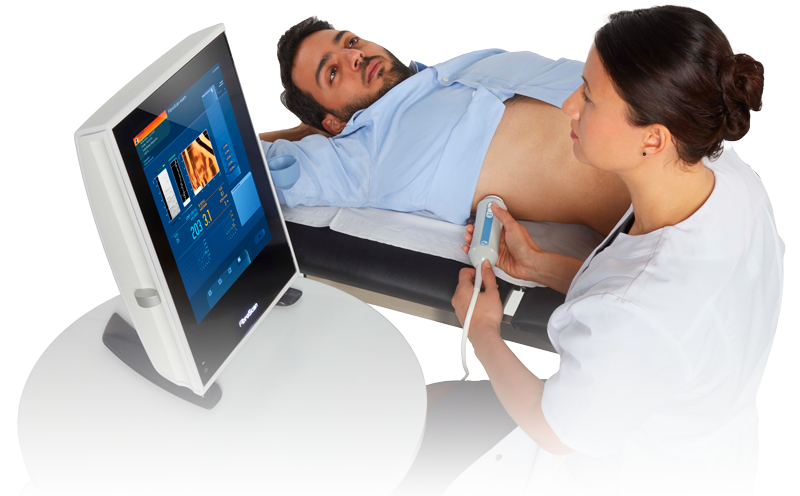
This non-invasive transient elastography ultrasound machine uses waves to measure liver stiffness, which can indicate the presence of fatty liver disease or liver fibrosis (scarring). It serves as a diagnostic tool that enables your gastroenterologist to evaluate liver health without the need for a liver biopsy.
FibroScan®:
A FibroScan is a noninvasive ultrasound device that measures liver scarring, called fibrosis, and the amount of fat in the liver. Like a traditional ultrasound exam, a FibroScan is quick and painless. It provides a non-surgical option for assessing liver damage. Ask your FDHS provider if you are eligible to receive a free FibroScan, and
click here learn more
from our research institute.
Who should get which test?
A FibroScan® may be recommended if you:
- Have been diagnosed with a chronic liver condition, such as hepatitis or fatty liver disease.
- Have risk factors for liver disease, such as diabetes, obesity, or a history of heavy alcohol use.
- Need to monitor the progression of liver damage or assess your response to treatment.
- Have elevated liver enzymes or other lab results that suggest liver inflammation or damage.
- Need a complete evaluation of the liver’s overall structure to check for tumors, blockages, or other issues.
- Have risk factors for liver disease but have not yet received a specific diagnosis