
Hemorrhoids
Hemorrhoids
About Hemorrhoids
Symptoms
Common symptoms include painless bleeding during or after bowel movements, itching or irritation in the anal region, discomfort or pain, swelling around the anus, and a lump near your anus, which may be sensitive or painful. Often, the symptoms are mild and disappear without any specific treatment. However, more severe symptoms may require medical intervention.
Causes
The development of hemorrhoids can be attributed to several factors. Hemorrhoids occur when there is excessive pressure on the veins in the lower rectum. This pressure can result from a variety of sources. Age is a common contributor, as the tissues supporting the veins in the rectum and anus can weaken and stretch with aging. Pregnancy also introduces extra pressure on these veins because of the growing uterus. Other causes include straining during bowel movements, chronic constipation or diarrhea, a low-fiber diet, obesity, and prolonged sitting, particularly on the toilet. All these conditions exert pressure on the rectal veins, causing them to bulge and swell, leading to hemorrhoids.
Types
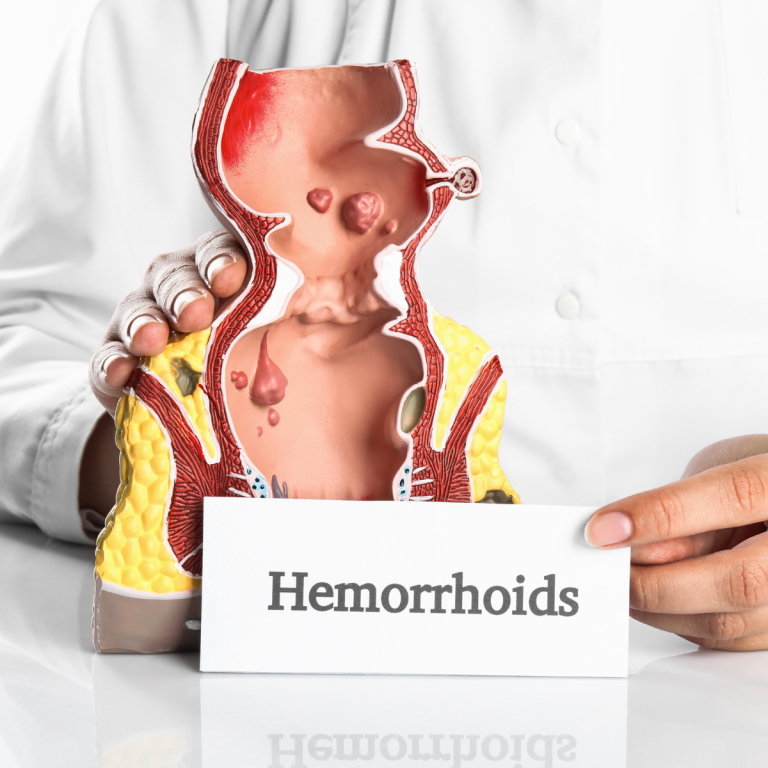
Hemorrhoids can be classified into two major types: internal and external. Internal hemorrhoids are located inside the rectum and are typically painless, even when they bleed. You might not know you have one until you notice blood in your stool. External hemorrhoids are located under the skin around the anus. They can cause discomfort or pain, especially when sitting or during bowel movements. When an external hemorrhoid becomes irritated, it can bleed or develop a clot, which can lead to severe pain, swelling, inflammation, and a hard lump near your anus.
Treatment
Most cases of hemorrhoids can be effectively treated with lifestyle changes and over-the-counter remedies. These include eating a high-fiber diet, drinking plenty of fluids, taking warm baths, applying compresses, and using topical treatments like hemorrhoid creams or ointments. In more severe cases, medical procedures may be required. These can include rubber band ligation, where a rubber band is placed around the base of the hemorrhoid to cut off its blood supply, sclerotherapy, where a chemical solution is injected to shrink the hemorrhoid or a hemorrhoidectomy, a surgical procedure to remove the hemorrhoid.
Prevention
You can prevent hemorrhoids by reducing pressure on the veins in the rectum and by avoiding constipation. This can be achieved through a variety of methods. Eating a diet rich in high-fiber foods, drinking plenty of water, exercising regularly, not straining during bowel movements, and not sitting on the toilet for long periods can all help to prevent the development of hemorrhoids. Medical therapy for chronic constipation may be necessary for prevent and control of hemorrhoids.
Outlook
While hemorrhoids can be uncomfortable and sometimes painful, they are not dangerous or life-threatening. With the right treatment and lifestyle changes, most people experience significant relief from their symptoms and can prevent new hemorrhoids from forming. In cases where hemorrhoids persist despite the usually successful over-the-counter treatments, medical intervention may be required.
Summary
Hemorrhoids, though common and sometimes uncomfortable, are generally a preventable or treatable condition. Symptoms can range from mild discomfort to more severe pain and swelling, depending on the type and severity of the hemorrhoid. Causes are primarily associated with pressure on the rectal veins, with advancing age, pregnancy, constipation, and prolonged sitting being major contributors. Various treatments are available, from lifestyle changes and over-the-counter remedies to medical procedures for severe cases. Preventing hemorrhoids often involves lifestyle changes aimed at reducing rectal vein pressure and avoiding constipation. While the discomfort of hemorrhoids can be significant, the prognosis is typically good, with many effective treatment options available. By being aware of the symptoms, causes, types, treatments, and preventative measures, individuals can better navigate their health, ensuring comfort and wellbeing.
FAQs About Hemorrhoids
What are hemorrhoids?
Hemorrhoids are swollen and inflamed veins around the anus or in the lower rectum.
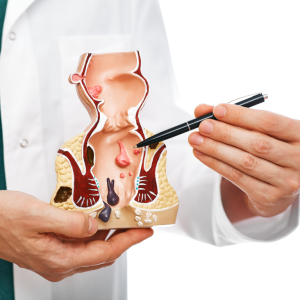
External hemorrhoids are located under the skin around the anus. Internal hemorrhoids develop in the lower rectum and may protrude through the anus. Hemorrhoids are not dangerous or life threatening.
What causes hemorrhoids?
Hemorrhoid veins are preset in everyone and normally act to cushion the anal area. The swelling in the anal or rectal veins causes hemorrhoids. Common factors are chronic constipation or diarrhea, straining during bowel movements or a lack of fiber in the diet. Hemorrhoids are also caused by the weakening of the connective tissue in the rectum and anus that occurs with age. Pregnancy can also cause hemorrhoids by increasing pressure in the abdomen, which may enlarge the veins in the lower rectum and anus, but typically disappears after childbirth.
What are the symptoms of hemorrhoids?
The most common symptom of internal hemorrhoids is bright red blood on stool, on toilet paper, or in the toilet bowl after a bowel movement. Internal hemorrhoids that are not prolapsed are usually not painful. However prolapsed hemorrhoids often cause pain, discomfort and anal itching. Bleeding as described can’t be assumed to be hemorrhoids. Studies show that when rectal bleeding seems typically hemorrhoidal, 40% of the time it is coming from a different cause.
How are hemorrhoids diagnosed?
Your doctor can perform a physical exam to look for visible hemorrhoids or a digital rectal exam with a gloved, lubricated finger and an anoscope can also be used.
Additional exams (colonoscopy, sigmoidoscopy or barium enema x-ray) may be used to rule out other causes of bleeding, especially in people age 40 or older.
How are hemorrhoids treated?
Lifestyle changes can often reduce the swelling of hemorrhoids and relieve hemorrhoid symptoms. A fiber diet can make stools softer and easier to pass, reducing the pressure on hemorrhoids caused by straining. Other changes that may help relieve hemorrhoid symptoms are drinking plenty of fluids, warm baths, regular exercise and avoid straining during bowel movements.
Over-the-counter creams and suppositories may temporarily relieve the pain and itching. If lifestyle changes and at home therapies do not relieve symptoms, medical treatments may be needed. Outpatient treatments can be performed in a doctor’s office or a hospital. Treatments for internal hemorrhoids include:
Rubber band ligation- a special rubber band is placed around the base of the hemorrhoid to cut off circulation, causing the hemorrhoid to shrink.
Sclerotherapy-a chemical solution is injected into the blood vessel to shrink the hemorrhoid.Infrared coagulation-heat is used to shrink the hemorrhoid tissue.
If external and internal hemorrhoids do not respond to other treatments, surgery may be necessary to remove the hemorrhoids.Will hemorrhoids go away on own?
In many cases, hemorrhoids have the potential to go away on their own. Mild cases of hemorrhoids often resolve without medical intervention through self-care measures and lifestyle changes. These include increasing dietary fiber intake, drinking plenty of fluids, engaging in regular exercise, and avoiding prolonged periods of sitting or straining. Over-the-counter hemorrhoid creams, ointments, and suppositories can provide temporary relief from symptoms such as itching and discomfort. However, if hemorrhoids persist or cause severe pain, bleeding, or protrusion, it is advisable to consult Florida Digestive Health Specialists for further evaluation and treatment options. They may recommend procedures such as rubber band ligation, sclerotherapy, or surgical removal to effectively address the condition and alleviate symptoms.
How do I get rid of my hemorrhoids?
Getting rid of hemorrhoids involves various approaches aimed at reducing symptoms and promoting healing. It is crucial to adopt lifestyle changes that can alleviate the condition, which includes a high-fiber diet to soften stools and prevent constipation, drinking plenty of water to maintain hydration, and engaging in regular exercise to promote bowel regularity. Over-the-counter hemorrhoid creams, ointments, and suppositories containing ingredients such as hydrocortisone or witch hazel can provide temporary relief from itching and discomfort. Sitz baths, which involve soaking the affected area in warm water for about 10-15 minutes, can also help soothe symptoms. In more severe cases, medical interventions may be necessary. Procedures like rubber band ligation, in which a small rubber band is placed around the hemorrhoid to cut off blood flow, or sclerotherapy, which involves injecting a chemical solution into the hemorrhoid to shrink it, can be effective. Surgical removal might be recommended for particularly large or persistent hemorrhoids. It is important to consult Florida Digestive Health Specialists for an accurate diagnosis and appropriate treatment options based on individual circumstances.
What happens if you let hemorrhoids go untreated?
If left untreated, hemorrhoids can worsen and lead to various complications. Initially, they may cause symptoms such as itching, pain, and discomfort. Untreated hemorrhoids may result in persistent pain and discomfort, making it difficult to carry out daily activities. They can also lead to complications such as thrombosis, where a blood clot forms within the hemorrhoid, causing intense pain and swelling. Prolonged bleeding from hemorrhoids can cause anemia, resulting in fatigue and weakness. In some cases, hemorrhoids may prolapse, which means they protrude from the anus. Severe prolapse can lead to inability to be pushed back in or reduced. This can lead to significant pain and difficulty in maintaining proper hygiene. To prevent these complications, it is important to seek medical attention if experiencing hemorrhoid symptoms and receive appropriate treatment and management.
What are the signs of hemorrhoid problems?
Hemorrhoid problems are often characterized by several telltale signs. The most common symptom is rectal itching, which can be accompanied by irritation and discomfort in the anal area. Additionally, individuals with hemorrhoids may experience pain or discomfort during bowel movements. Bright red blood in the stool or on toilet paper after wiping is another common indicator of hemorrhoid problems. Swelling or a lump near the anus, which may be sensitive or painful to the touch, is another common sign. It is also possible for hemorrhoids to cause a feeling of incomplete bowel movement or the sensation of a protrusion from the anus. If experiencing any of these signs, it is advisable to consult a healthcare professional, such as those available through Florida Digestive Health Specialists, for a proper diagnosis and to discuss appropriate treatment options to alleviate the discomfort and manage the condition effectively.
How long should a hemorrhoid last?
The duration of hemorrhoids can vary from person to person and depends on several factors. In general, hemorrhoids can last anywhere from a few days to a few weeks. Mild cases of hemorrhoids often resolve on their own within a week or two with proper self-care measures and lifestyle changes. However, more severe or persistent hemorrhoids may take longer to heal and may require medical intervention. Treatment options such as over-the-counter creams, ointments, and suppositories can provide relief and expedite the healing process. In some cases, procedures like rubber band ligation or sclerotherapy may be necessary to remove or shrink the hemorrhoids. The healing time can also be influenced by factors such as the individual’s overall health, the severity of the hemorrhoids, and their underlying causes. It is important to consult a healthcare professional for a proper diagnosis and to discuss the expected duration and appropriate treatment options for hemorrhoids.
How long do hemorrhoids take to heal?
The healing time for hemorrhoids can vary depending on various factors. In general, mild cases of hemorrhoids can resolve within a week or two with proper self-care measures and lifestyle changes. These include adopting a high-fiber diet, staying hydrated, practicing good hygiene, and avoiding excessive straining during bowel movements. Over-the-counter creams, ointments, and suppositories can provide temporary relief and promote healing. However, more severe or persistent hemorrhoids may take longer to heal and may require medical intervention. The individual’s overall health, the severity of the hemorrhoids, and the underlying causes can also impact the healing time. It is important to consult a healthcare professional for a proper diagnosis and management plan.
When should I go to the doctor for hemorrhoids?
If you experience persistent or severe symptoms such as intense pain, excessive bleeding, or the presence of blood clots, it is recommended to seek medical attention. Additionally, if home remedies and over-the-counter treatments do not provide relief or if your hemorrhoids worsen or persist for more than a week, it is best to consult a healthcare professional. Furthermore, if you notice any changes in bowel habits, change in the character of your stool, unexplained weight loss, or if you have a family history of colon cancer, it is important to seek medical evaluation to rule out any underlying conditions. A doctor can provide a proper diagnosis, assess the severity of your hemorrhoids, and recommend appropriate treatment options tailored to your specific situation.
What makes hemorrhoids worse?
Several factors can contribute to the worsening of hemorrhoids. One of the primary causes is excessive straining during bowel movements, which puts increased pressure on the rectal and anal area. Chronic constipation, characterized by hard and difficult-to-pass stools, can exacerbate hemorrhoid symptoms. Similarly, lifting heavy objects, prolonged sitting or standing, especially on hard surfaces, can lead to increased pressure on the hemorrhoidal veins, making the condition worse. Poor dietary habits can result in constipation and worsen hemorrhoids. Other factors include obesity, which increases abdominal pressure, and pregnancy, as the growing uterus puts pressure on the veins in the pelvic area. Lastly, certain lifestyle choices such as excessive alcohol consumption and smoking can impact blood vessels and worsen hemorrhoids. Managing these contributing factors through lifestyle modifications can help alleviate symptoms and prevent the worsening of hemorrhoids.
Does Preparation H help hemorrhoids?
Yes, Preparation H is a popular over-the-counter medication that is commonly used to help relieve symptoms associated with hemorrhoids. It contains active ingredients such as phenylephrine and hydrocortisone, which work in different ways to provide relief. Phenylephrine acts as a vasoconstrictor, helping to reduce swelling and inflammation of hemorrhoidal tissues. Hydrocortisone is a corticosteroid that helps alleviate itching, redness, and discomfort associated with hemorrhoids. Preparation H is a trade name for a particular product. The same active ingredients are available in generic formulations. Hemorrhoid treatments in various forms are available over the counter, including creams, ointments, suppositories, and wipes. It is important to carefully follow the instructions and recommendations provided with the product. While Preparation H can provide temporary relief from hemorrhoid symptoms, it is always advisable to consult a healthcare professional for a proper diagnosis and to discuss the most appropriate treatment options for your specific situation.
Does witch hazel shrink hemorrhoids fast?
Witch hazel, a natural astringent derived from the bark and leaves of the witch hazel plant, is often used as a home remedy to help alleviate hemorrhoid symptoms. While it may provide relief and help reduce inflammation, it is important to note that witch hazel alone may not lead to fast or significant shrinking of hemorrhoids. Witch hazel contains tannins, which have a mild astringent effect that can temporarily tighten and soothe the swollen tissues. It can help reduce itching, swelling, and discomfort associated with hemorrhoids. Witch hazel can be applied topically in the form of wipes, pads, or compresses. It is typically recommended to use witch hazel in conjunction with other self-care measures such as increasing fiber intake, staying hydrated, and avoiding straining during bowel movements. If hemorrhoids persist or worsen despite using witch hazel and other home remedies, it is advisable to consult a healthcare professional for further evaluation and appropriate treatment options.
What food shrinks hemorrhoids fast?
While there is no specific food that can guarantee fast shrinking of hemorrhoids, a diet rich in fiber can help alleviate symptoms and promote regular bowel movements, and thus can contribute to the reduction of hemorrhoid size over time. Consuming foods high in fiber, such as fruits, vegetables, whole grains, and legumes, can soften the stool and make it easier to pass, reducing strain during bowel movements. This can help prevent constipation and minimize the irritation and swelling of hemorrhoids. Additionally, staying well-hydrated by drinking an adequate amount of water throughout the day is crucial to support healthy digestion and prevent dry, hard stools. Some specific foods that are known for their high fiber content include apples, pears, berries, broccoli, spinach, whole wheat bread, oats, and lentils. It is important to gradually increase fiber intake and maintain a well-balanced diet to support overall digestive health. However, it is always recommended to consult with a healthcare professional for personalized dietary advice and to determine the most suitable approach for managing hemorrhoids.
What causes hemorrhoids?
Hemorrhoids, swollen and inflamed blood vessels in the rectal and anal area, can be caused by a variety of factors. One primary cause is excessive pressure on the veins in the pelvic and rectal area. This pressure can result from straining during bowel movements due to constipation or diarrhea. Chronic constipation, characterized by infrequent and hard stools, can put strain on the rectum and contribute to the development of hemorrhoids. During pregnancy, the growing uterus exerts pressure on the pelvic veins and can cause hemorrhoids. Obesity increases abdominal pressure and can promote formation of hemorrhoids. Heavy lifting and prolonged sitting or standing can also contribute to the development of hemorrhoids. Ageing can promote formation of hemorrhoids, as the tissues supporting the veins in the rectum weaken over time. Also, a family history of hemorrhoids can increase the likelihood of developing them. Making lifestyle modifications such as maintaining a high-fiber diet, staying hydrated, and avoiding prolonged sitting or straining can help reduce the risk of hemorrhoid development.
What are the symptoms of hemorrhoids?
The most common symptom of internal hemorrhoids is bright red blood on stool, on toilet paper, or in the toilet bowl after a bowel movement. Internal hemorrhoids that are not prolapsed are usually not painful. However prolapsed hemorrhoids often cause pain, discomfort and anal itching. Bleeding as described can’t be assumed to be hemorrhoids. Studies show that when rectal bleeding seems typically hemorrhoidal, 40% of the time it is coming from a different cause.
How are hemorrhoids diagnosed?
Your doctor can perform a physical exam to look for visible hemorrhoids or a digital rectal exam with a gloved, lubricated finger and an anoscope can also be used.
Additional exams (colonoscopy, sigmoidoscopy or barium enema x-ray) may be used to rule out other causes of bleeding, especially in people age 40 or older.How are hemorrhoids treated?
Lifestyle changes can often reduce the swelling of hemorrhoids and relieve hemorrhoid symptoms. A fiber diet can make stools softer and easier to pass, reducing the pressure on hemorrhoids caused by straining. Other changes that may help relieve hemorrhoid symptoms are drinking plenty of fluids, warm baths, regular exercise and avoid straining during bowel movements.
Over-the-counter creams and suppositories may temporarily relieve the pain and itching. If lifestyle changes and at home therapies do not relieve symptoms, medical treatments may be needed. Outpatient treatments can be performed in a doctor’s office or a hospital. Treatments for internal hemorrhoids include:
- Rubber band ligation- a special rubber band is placed around the base of the hemorrhoid to cut off circulation, causing the hemorrhoid to shrink.
- Sclerotherapy-a chemical solution is injected into the blood vessel to shrink the hemorrhoid.
- Infrared coagulation-heat is used to shrink the hemorrhoid tissue.
If external and internal hemorrhoids do not respond to other treatments, surgery may be necessary to remove the hemorrhoids.